


관상 동맥 협착증이 ≥ 50% 및 ≤ 70% 인 경우 스텐트를 배치해야합니까?
-
 2022-01-05
-
LEPU


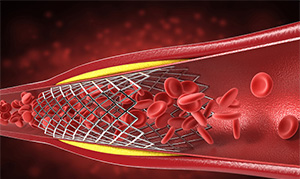
중증 병변은 관상 동맥 내강 직경 협착증 ≥ 50% 및 ≤ 70% 의 관상 동맥 혈관 조영술 평가가있는 병변을 나타냅니다.
Although coronary angiography is the "gold standard" for coronary anatomy assessment, there are still great limitations in judging the severity of lesions and identifying the vulnerable nature of plaques.
경계선 병변의 해부학 적 다양성을 고려할 때 증거 기반 의학에는 증거가 거의 없으며 임상 적 치료는 경험적 인 경향이 있습니다. 동시에, 관상 동맥 개입은 침습적이고 위험합니다.
따라서 경계선 병변을 정의하는 방법, 경계선 병변과 그 중요성을 평가하는 방법, 경계선 병변에 개입할지 여부는 중재 의사를 괴롭히는 어려운 문제 중 하나입니다.
현재, 경계선 관상 동맥 병변의 치료를위한 임상 의사 결정의 평가 방법은 비 침습적 및 침습적 검사로 구분됩니다. 비 침습적 검사에는 주로 러닝 머신 운동 테스트, 관상 동맥 CTA 및 스트레스 심근 관류 영상이 포함됩니다. 침입 검사에는 FFR, IVUS 및 OCT가 포함됩니다.
1. 비 침습적 검사
러닝 머신 운동 테스트는 간단하고 경제적이며 상대적으로 안전한 비 침습적 검사 방법입니다. 관상 동맥 심장 질환 및 기타 심혈관 질환의 진단 및 예후 평가에 널리 사용되지만 임상의 포괄적 인 평가가 필요한 허위 음성 및 오탐이 상대적으로 발생하기 쉽습니다.
따라서 스트레스 방사성 핵종 심근 관류 영상의 탄생은 러닝 머신 운동 테스트의 부족을 보완했습니다. 스트레스 검사가 대면적 심근 허혈을 시사하는 환자를 위해 중재 적 개입을 수행해야합니다.
관상 동맥 CTA는 관상 동맥 질환의 임상 검사를위한 일반적인 방법이며 관상 동맥 질환의 진단에 매우 중요합니다. 플라크의 조성은 CT 값에 의해 반영 될 수 있습니다: 석회화 성분은 가장 높은 CT 값을 가지며 섬유 성분이 뒤 따르고 지질 성분은 가장 낮은 CT 값을 갖습니다.
따라서 임상의가 낮은 CT 값을 주목해야합니다. 일반적인 연구에서 <30 HU는 저 감쇠 플라크 (가장 낮은 CT 값과 가장 쉬운 파열을 가진 지질 성분 플라크 참조) 로 정의됩니다.
그러나, 플라크의 CT 값은 조영제, 플라크 부피, 층 두께, 튜브 전압 등과 같은 많은 요인에 의해 영향을 받는다. 또한, 지질 플라크와 섬유상 플라크의 CT 값이 겹치고, CT 값만을 사용하여 구별하기가 어렵다. 따라서 현재의 연구는 주로 어떤 플라크가 저 감쇠 플라크인지 확인하기 위해 특별한 절차에 의존합니다.
2. 침입 검사
분수 관상 동맥 혈류 보유량 (FFR) 은 동일한 관상 동맥이 정상일 때 심근에 제공되는 최대 혈류 및 심근에 제공되는 최대 혈류 및 심근에 제공되는 최대 혈류의 비율입니다. 관상 동맥의 평균 압력에 대한 협착과 관상 동맥 구멍의 대동맥의 평균 압력의 비율.
• 병변이 왼쪽 메인 트렁크에있는 경우 컷오프 포인트 값은 ≤ 0.8 이며 개입이 필요하다고 생각할 수 있습니다.
• 병변이 주 트렁크의 원위 또는 중간 부분에있는 경우 FFR 컷 포인트 값 ≤ 0.75 는 개입이 필요합니다.
• 병변이 전방 하강 동맥에 근접한 경우 FFR이 0.76 또는 0.78 일 때 개입이 필요합니다.
혈관 내 초음파 (IVUS) 는 내강 및 튜브 벽의 실시간 단면 이미지를 제공하고 혈관의 직경과 단면적을 정확하게 측정하며 관상 동맥 조영술에서 볼 수있는 중요한 병변의 협착 정도 및 플라크 특성을 식별 할 수 있습니다. 특히, 관상 동맥 조영술로 표시하기 어려운 개구부 및 분기에서 병변의 특성을 명확하게 나타낼 수 있습니다.
The "Chinese Expert Consensus on the Application of Intravascular Ultrasound in Coronary Artery Diseases (2018)" pointed out: Early research suggests that for non-left main trunks, including left anterior descending artery, left circumflex artery, right coronary artery and its main branch proximal lesions, interventional treatment The threshold values for IVUS are area stenosis> 70%, minimum lumen diameter ≤ 1.8 mm, and MLA ≤ 4.0 mm².
The results of meta-analysis in recent years have shown that the IVUS cut-off value for interventional therapy is MLA <2.8 mm² for lesions other than the left main trunk and reference vessel diameter> 3 mm; for lesions with a reference vessel diameter <3 mm, the IVUS cut-off value for interventional therapy For MLA <2.4 mm².
For the left main disease, it is generally believed that the MLA> 6.0 mm² in the left main disease can be used as the limit value for delaying interventional therapy.
현재 아시아의 임상 연구에 따르면 MLA 4.5 mm²는 허혈이 있는지 여부를 판단하기위한 임계 값으로 사용될 수 있지만이를 증명하려면 더 많은 데이터가 필요합니다. 4.5 ~ 6.0 mm²의 MLA를 가진 환자의 경우 허혈을 평가하기 위해 FFR이 권장됩니다.
OCT (Optical coherence tomography) 는 IVUS보다 높은 혈관 내 공간 해상도를 갖는 4-16 μm의 공간 해상도를 얻을 수 있습니다. 취약한 플라크의 확인에서 OCT는 병든 섬유 캡의 두께와 지질 코어의 크기를 확인하는 데 중요한 임상 적 가치를 가지고 있습니다.
In 2020, a study published in ACC Cardiovascular Imaging used OCT to perform retracement imaging of three epicardial coronary arteries (RCA, LAD, LCX). Analyzing the type and distribution of plaque, it is proposed that when the tube wall loses the normal three-layer structure, it is defined as plaque formation, and the minimum lumen area (MLA) <3.5 mm² is defined as stenosis.
OCT 이미지 특성에 따라 플라크는 섬유 플라크 (FP), 석회화 플라크 (FCP) 및 죽상 경화성 플라크 (FA) 의 세 가지 범주로 나뉩니다. 이 중 FA는 80μm 의 섬유 캡의 두께를 경계값으로 삼고 두꺼운 섬유 캡 죽상 경화성 플라크 (ThCFA) 와 얇은 섬유 캡 죽상 경화성 플라크 (TCFA) 로 세분화 할 수 있습니다.
When multiple types of plaques appear in the same frame of image, the plaque type with higher vulnerability (FP 경계선 병변의 진단 및 치료에서 OCT의 장점은 혈전, 취약한 플라크 및 내막 침식 및 내막 눈물과 같은 경미한 병변의 정확한 식별에 있습니다. To sum up, in the current situation where evidence-based medicine is not yet sufficient, 레푸 suggests that we should focus on the comprehensive evaluation of patients' clinical manifestations, combine immediate interventional effects with long-term benefits, and pass various non-invasive and invasive examinations. A comprehensive and systematic evaluation of borderline lesions is carried out, and patients with borderline lesions that are necessary for interventional intervention and may have long-term benefits are screened out, and then more targeted and reasonable interventions are carried out.