


손가락 펄스 산화계는 아이들을 위해 무엇을 읽어야합니까?
-
 2023-06-01
-
LEPU


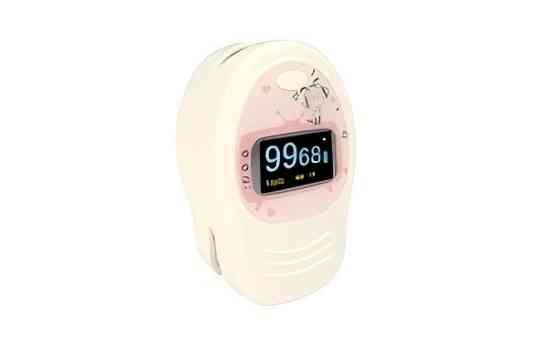
When it comes to monitoring the health of children, having the right tools is essential. One such tool that has gained prominence is the 소아 손가락 맥박 산소 측정기. This portable device helps measure oxygen saturation levels and pulse rate in children quickly and non-invasively. If you're a parent or caregiver, you may wonder what readings to expect from a finger pulse oximeter for kids. In this article, we will explore the appropriate values that a 소아 손가락 맥박 산소 측정기 should read and the significance of this device in monitoring children's health.
Understanding the 소아 손가락 펄스 산화계
A 소아 손가락 맥박 산소 측정기 is a specially designed device that allows for accurate and convenient monitoring of oxygen saturation levels and pulse rate in children. It works by emitting and detecting light waves through the child's finger, providing real-time readings. This non-invasive method has become an integral part of paediatric healthcare, enabling parents and healthcare professionals to track a child's vital signs easily.
어린이를위한 적절한 읽기
When using a 소아 손가락 맥박 산소 측정기, the goal is to obtain readings within a specific range to ensure the child's well-being. The normal oxygen saturation level for children is typically above 95%. Readings below this range may indicate 저산소 혈증, 혈액의 낮은 산소 수준을 특징으로하는 상태. 이러한 경우 즉시 치료를 받아야합니다.
마찬가지로, 어린이의 맥박은 일반적으로 분당 70 ~ 120 비트 (bpm) 범위 내에 있습니다. 70 bpm 미만 또는 120 bpm 이상의 맥박은 의료 전문가에 의한 추가 평가를 보증할 수 있다.
고려해야 할 요소
While the normal ranges mentioned above provide a general guideline, it's important to consider various factors that can influence a child's oxygen saturation and pulse rate. Some factors to keep in mind include:
1. Age: Oxygen saturation levels and pulse rates can vary depending on the child's age. Newborns may have slightly lower oxygen saturation levels, while older children tend to have values closer to those of adults.
2. Activity Level: Children's oxygen saturation levels and pulse rates can fluctuate depending on their activity level. Physical activity, crying, or excitement can temporarily increase heart rate and slightly affect oxygen saturation levels.
3. Health Conditions: Certain health conditions, such as respiratory disorders or congenital heart defects, can impact a child's oxygen saturation levels and pulse rate. In such cases, it's important to consult with a healthcare professional who can provide specific guidance based on the child's condition.
The Role of the 소아 손가락 펄스 산화계
The 소아 손가락 맥박 산소 측정기 serves as a valuable tool in monitoring a child's health. It provides parents and caregivers with real-time information about a child's oxygen saturation levels and pulse rate, allowing for prompt action if necessary. By regularly using a 소아 손가락 맥박 산소 측정기, parents can gain insights into their child's overall well-being and detect any potential issues early on.
The Benefits of the 소아 손가락 펄스 산화계
Using a 소아 손가락 맥박 산소 측정기 offers several benefits in monitoring children's health:
1. 편의성 및 비 침습성: 이 장치는 생체 신호 측정을 얻는 비 침습적이고 고통없는 방법을 제공합니다. 아이들은 단순히 손가락을 장치에 넣어서 덜 위협적이고 편안하게 만들 수 있습니다.
2. Early Detection of Issues: Regular monitoring with a 소아 손가락 맥박 산소 측정기 enables parents to identify any potential issues with oxygen saturation levels or pulse rate promptly. Early detection allows for timely intervention and can prevent complications.
3. Peace of Mind: For parents and caregivers, having a 소아 손가락 맥박 산소 측정기 can provide peace of mind. It offers reassurance that they can monitor their child's health easily and quickly in the comfort of their own home.