


도어에 펄스 산화계를 사용하는 방법?
-
 2023-04-22
-
LEPU


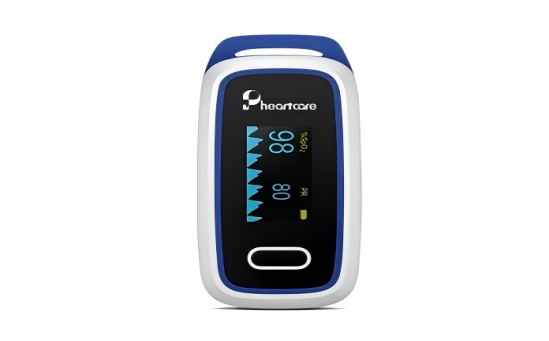
Pulse oximeters have become increasingly popular in recent years, especially during the ongoing COVID-19 pandemic. These small devices are used to measure the oxygen saturation levels in a person's blood, providing valuable information about their respiratory health. While many people are familiar with using a pulse oximeter on their finger, some may wonder if it's possible to use one on their toe. In this article, we'll explore the answer to that question and discuss some important considerations to keep in mind.
발가락에 맥박 산소 측정기를 사용할 수 있습니까?
First and foremost, it's important to note that pulse oximeters are designed to be used on the fingers, also known as 손가락 끝 산소 측정기, as they provide accurate readings and are the most convenient location for most people. However, there are situations in which using a pulse oximeter on the toe may be necessary. For example, in cases where a person has poor circulation in their fingers, such as in individuals with Raynaud's disease or peripheral artery disease, a toe may be a better option.
In terms of safety and effectiveness, using a 손가락 끝 맥박 산소 측정기 on the toe can be both safe and effective, but there are some important considerations to keep in mind. Firstly, it's essential to make sure that the pulse oximeter is designed to be used on the toe. Not all pulse oximeters are created equal, and some may not be accurate when used on the toe. Look for a pulse oximeter with clear instructions that can be used on toes, such as the pc60b1 pulse oximeter of Lepu Medical, and ensure that the manufacturer's instructions are carefully followed.
It's also important to keep in mind that the readings obtained from a pulse oximeter on the toe may be slightly different than those obtained from a pulse oximeter on the finger. This is because the circulation in the toe may be slower or less consistent than in the finger, which can affect the accuracy of the readings. However, in most cases, the difference in readings is likely to be small and not significant enough to cause concern.
발가락에 맥박 산소 측정기를 사용하는 방법?
If you've determined that using a pulse oximeter on your toe is necessary, there are some important tips to keep in mind to ensure accurate and safe readings:
올바른 맥박 산소 측정기를 선택하십시오: 앞서 언급했듯이 모든 맥박 산소 측정기가 발가락에 사용하도록 설계된 것은 아닙니다. 이 목적을 위해 특별히 설계된 펄스 산소 측정기를 찾으십시오.
Choose the right toe: While it may seem like any toe will do, it's important to choose the right one. The big toe is typically the best option, as it tends to have the most consistent circulation.
발가락이 따뜻한지 확인하십시오. 차가운 발가락은 순환에 영향을 미치고 맥박 산소 측정기의 정확도에 영향을 줄 수 있습니다. 따뜻한 물에 넣거나 따뜻한 압축을 사용하여 독서를하기 전에 발가락이 따뜻한지 확인하십시오.
Position the pulse oximeter correctly: The pulse oximeter should be placed on the top of the toe, just like it would be on a finger. Make sure it's snug but not too tight, and that the sensor is aligned with your nail bed.
Keep still: It's important to remain still while taking a reading, as movement can affect the accuracy of the results. Sit or lie down and relax while taking the reading.